
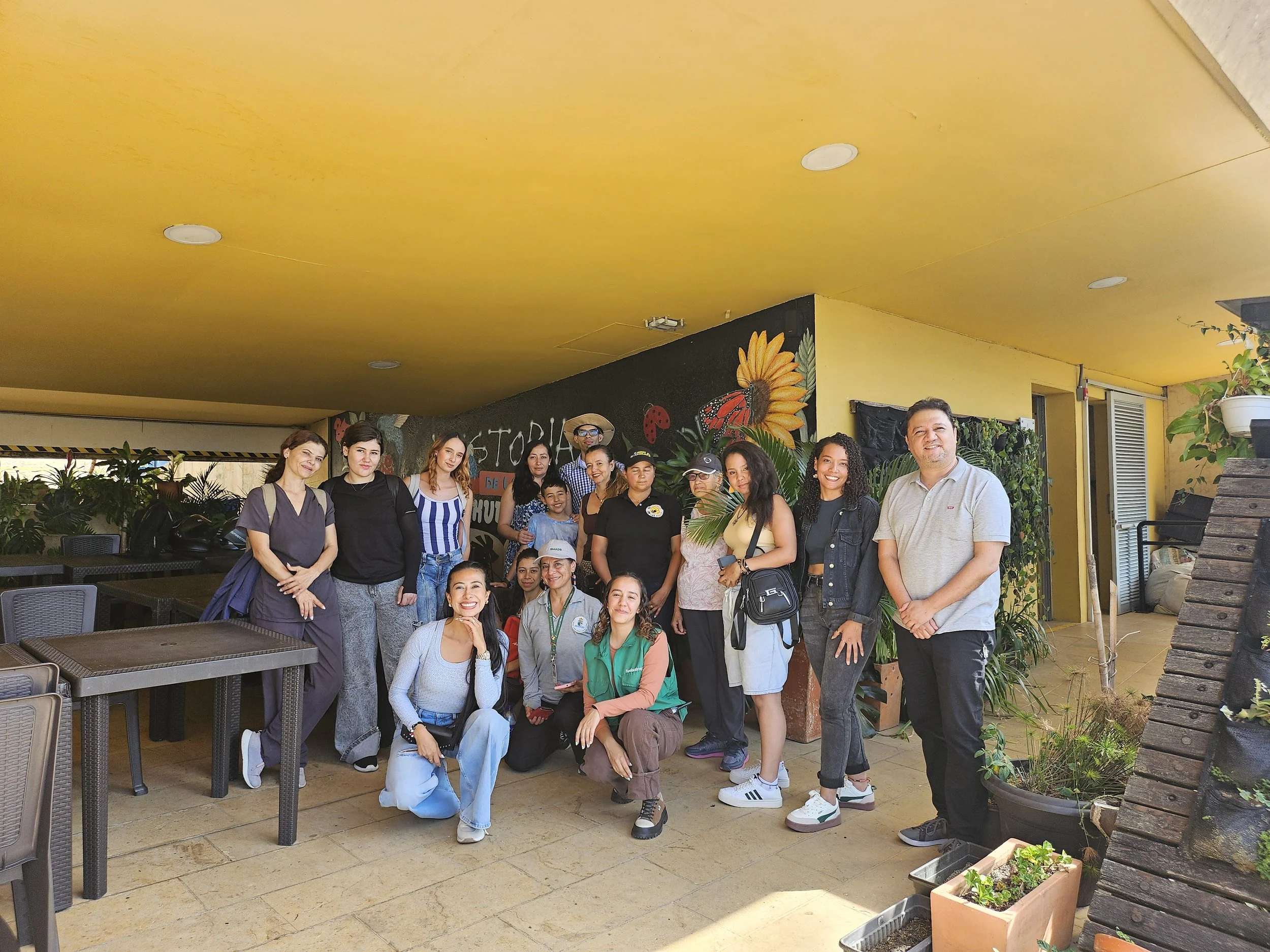
Pollinator Network Week 2026 in Medellín
Pollinator Network Week 2026 brought together local governments, academia, businesses, beekeepers, and citizens in the Aburrá Valley, Colombia to advance pollinator conservation and Nature-Positive business models. Over three days, participants joined technical talks, workshops, field visits, and a Green Business Fair spotlighting Nature-based Enterprises (NbEs) in sustainable beekeeping, pollinator conservation, and ecological entrepreneurship.
Join the GoNaturePositive! Cities and Regions Pioneer Programme
We have launched the GoNaturePositive! Pioneer Programme for Cities and Regions to bring together local and regional governments interested in advancing Nature-Positive Economy approaches. Through knowledge exchange, practical resources and peer learning, the programme provides opportunities for participants to explore how nature-positive principles can be integrated into local and regional policies and practice.
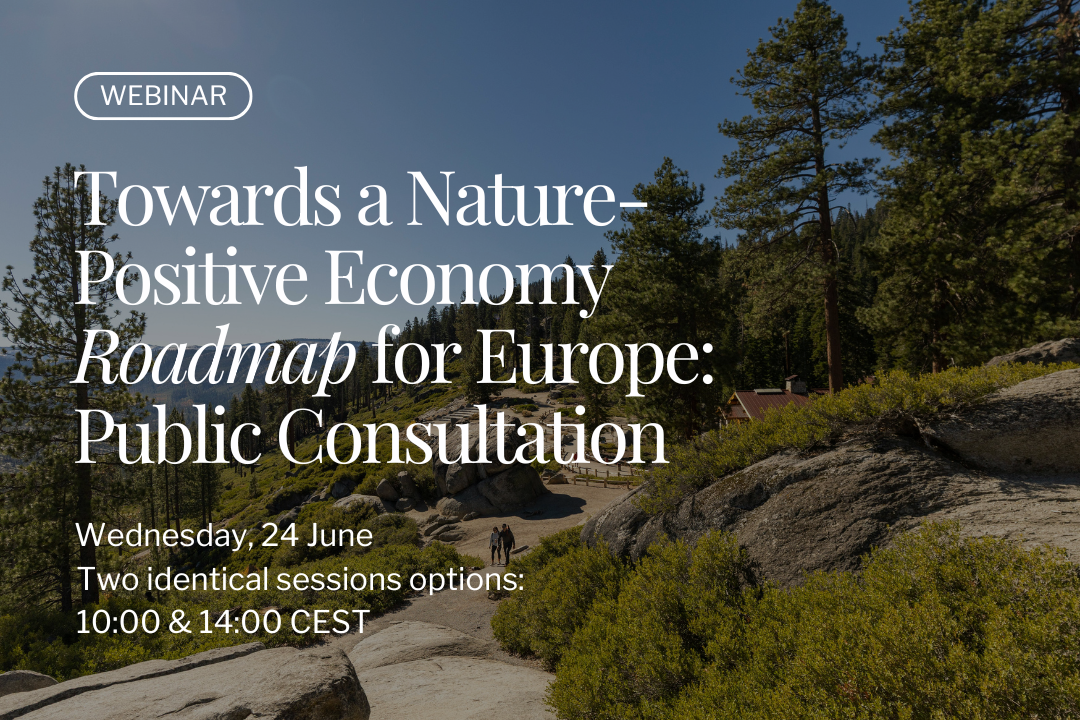
Towards a Nature-Positive Economy Roadmap for Europe: Public Consultation
How can Europe accelerate the transition to a nature-positive economy — while strengthening competitiveness, resilience, and long-term prosperity? On 24 June, GoNaturePositive! opens its draft Nature-Positive Economy Roadmap for Europe for public consultation. Developed by a consortium of 20 partners across 14 countries, the roadmap identifies the policies, investments, and business models needed to put nature at the heart of Europe's economy. This is your chance to shape it before it's finalised. Join us for a one-hour online session - two time slots available: 10:00 and 14:00 CET.
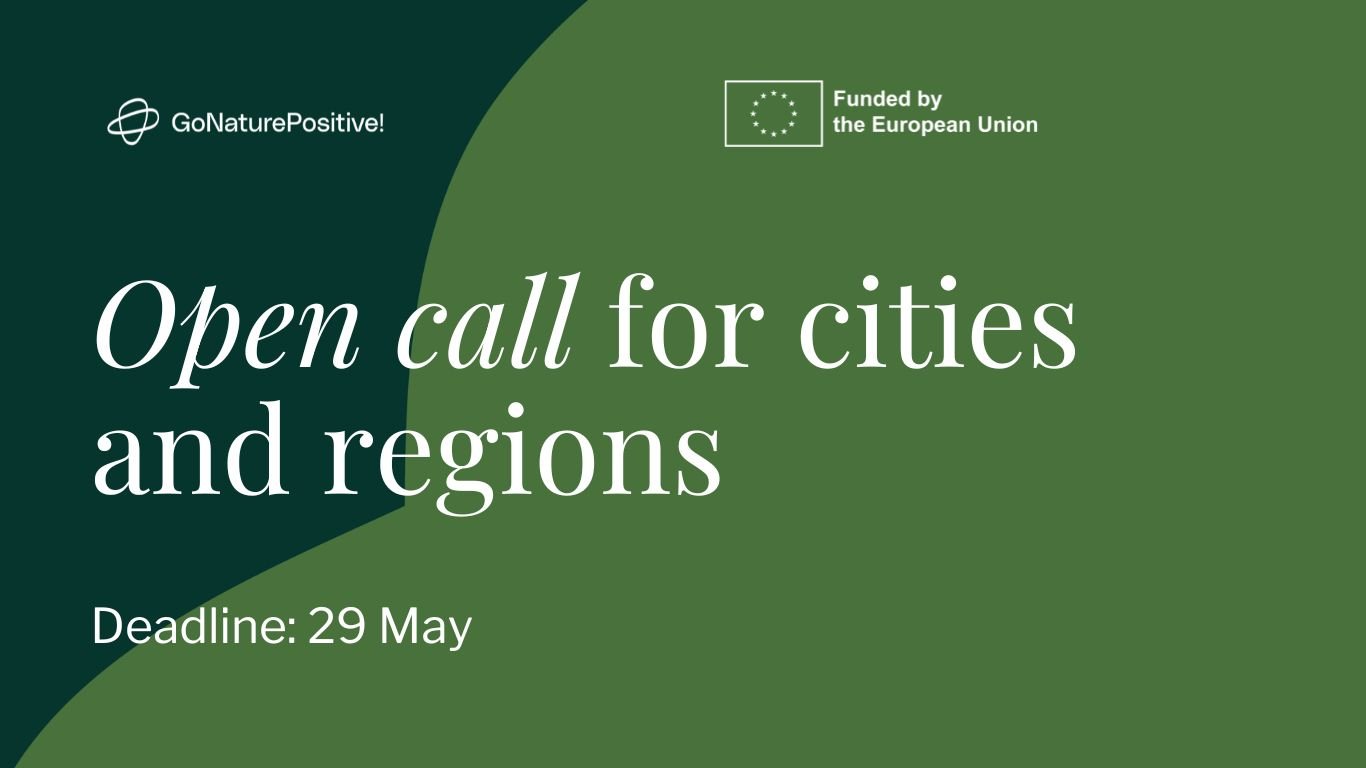
GoNP! Open Call for Cities and Regions
GoNaturePositive! is launching an open call for cities and regions interested in advancing a Nature-Positive Economy.
Selected participants will join the Nature-Positive Pioneer Programme, a learning and peer-exchange initiative exploring how nature-positive approaches can be integrated into local policies, governance and economic development. Topics include climate resilience, nature restoration, public procurement, financing and collaboration with businesses and communities. The call is open to cities and regions working on biodiversity, nature-based solutions, climate resilience, public procurement or nature-positive economic transition. Deadline to express interest: 29 May 2026.
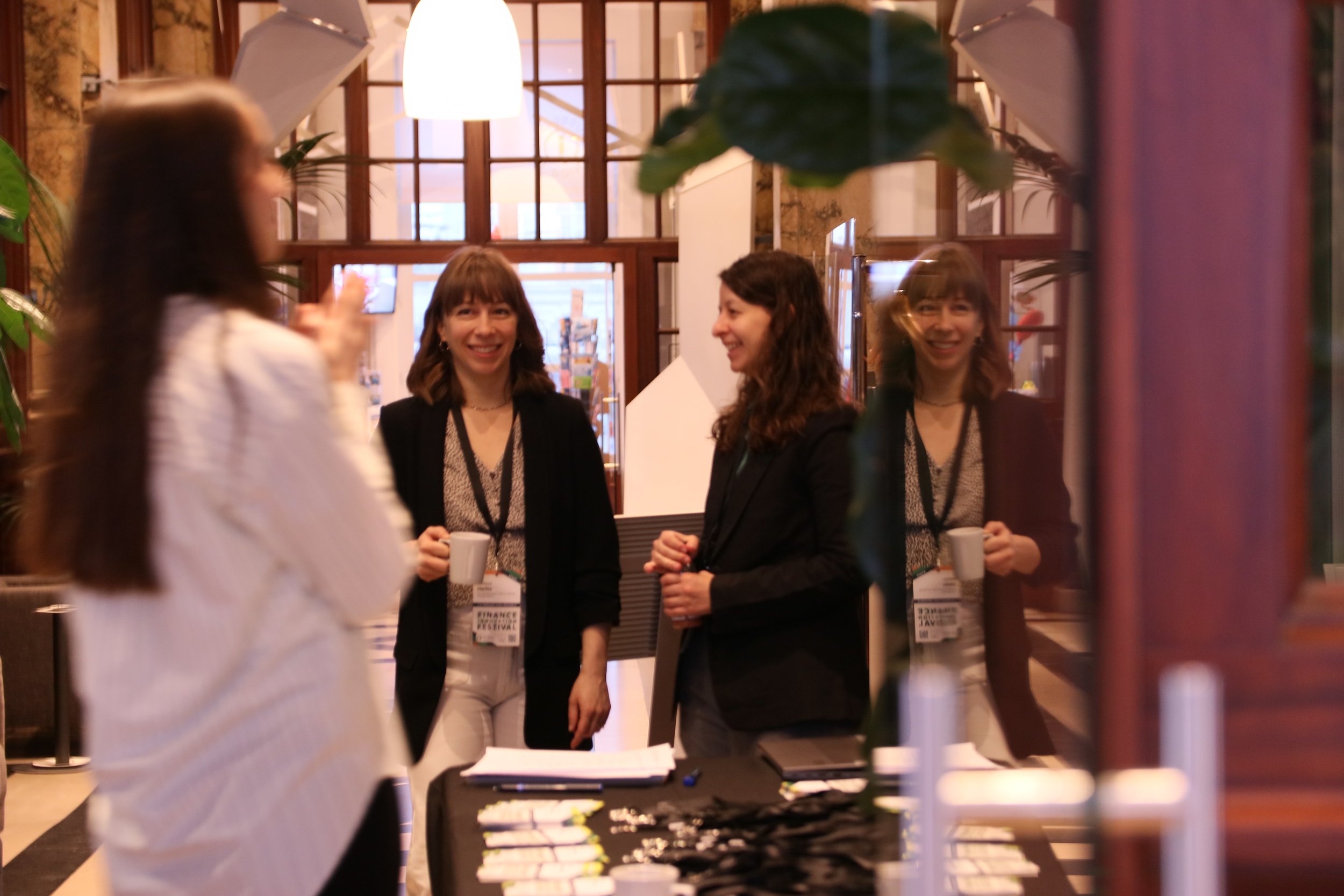
Driving the Transition Toward a Nature-Positive Economy: From Principles to Measurable Action
Discover how Brussels' 49th Breakfast at Sustainability explored the need for practical indicators to support Europe's shift to a Nature-Positive Economy. Marianne Zandersen and Francesca Magnolo present a framework built on five pillars, while experts from finance, insurance, business and civil society discuss how to turn these principles into effective governance tools. Learn how aligning with frameworks such as TNFD and the EU Taxonomy can help redirect investment away from nature-harmful activities and support a measurable, accountable Nature-Positive Economy by 2050.
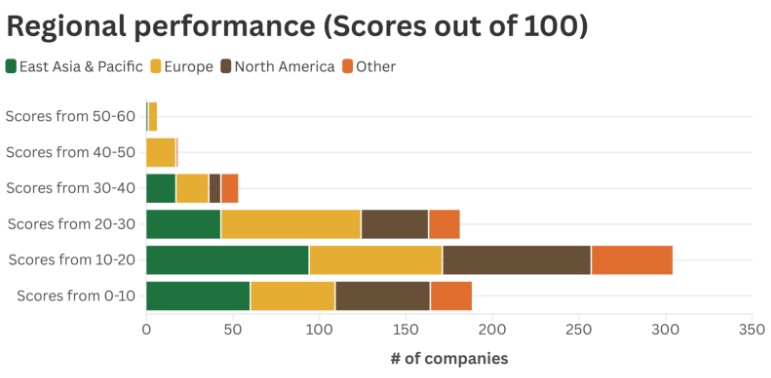
WBA Nature Benchmark of 750 Companies Shows the EU as Global Leader
The WBA Nature Benchmark 2026 reveals that 750 of the world's most influential companies average just 17% performance on nature. The financial risk is real: 75% of euro area bank loans go to companies highly dependent on ecosystem services, yet only 2% have disclosed nature transition plans. Strong regulation drives better performance - but the EU Omnibus Simplification Package threatens to reverse Europe's hard-won leadership. GoNaturePositive! partners are responding with on-the-ground pilots across five EU countries and Colombia, proving that closing the gap between nature dependency and nature action is both urgent and possible.
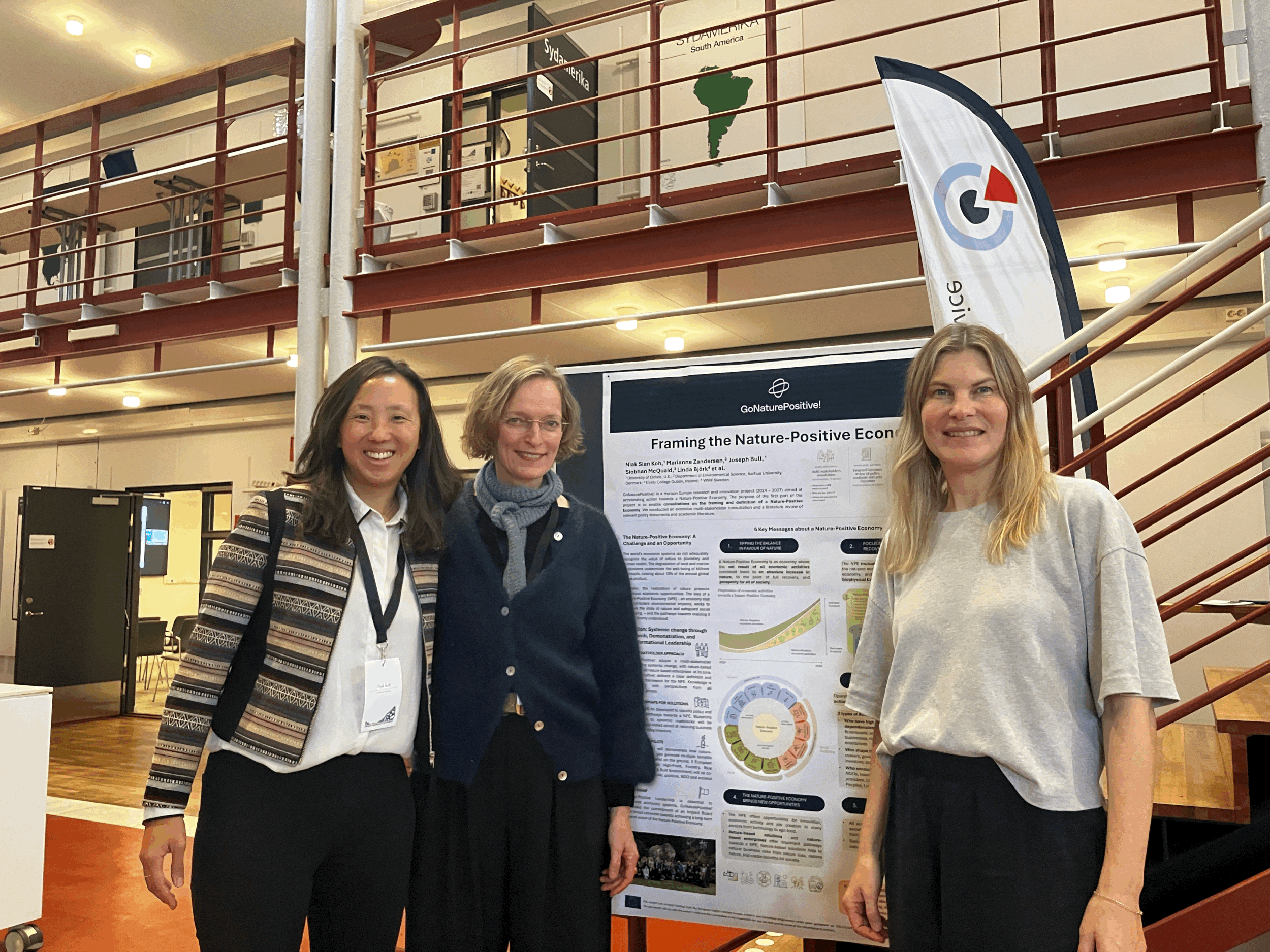
Transformative Change at the Swedish Biodiversity Symposium
The Swedish Biodiversity Symposium made one thing clear: knowledge is no longer the bottleneck - action is. Carlos Álvarez Pereira from the Club of Rome underlined that no country today achieves sustainable development within planetary boundaries, urging businesses to become regenerative rather than extractive. The economic case is already emerging: the US ecological restoration industry now surpasses traditional steel manufacturing. But businesses cannot act alone. GoNaturePositive! partners are mapping the policy-business nexus, showing that strong regulatory frameworks - ones that embed nature into economic decision-making and treat biodiversity loss as material financial risk - are essential to scaling what's already working.

Choosing Nature in a Time of Urgency
Discover how the NetworkNature Annual Event explores transformational pathways toward a nature-positive economy, revealing that finance determines transition speed while policy sets direction through binding restoration targets and corporate sustainability reporting. Samuel Lara examines why businesses, especially SMEs representing 99% of European enterprises, remain largely absent from nature-based solutions dialogue despite ecosystem services underpinning over half of global GDP. Learn how GoNaturePositive! partners are identifying critical barriers to implementation, from workforce transition challenges to metric reliability concerns, and why bridging the knowledge-to-practice gap through targeted capacity building, training networks, and practical tools for local governments and investors is essential for aligning economic actors with nature restoration at scale.
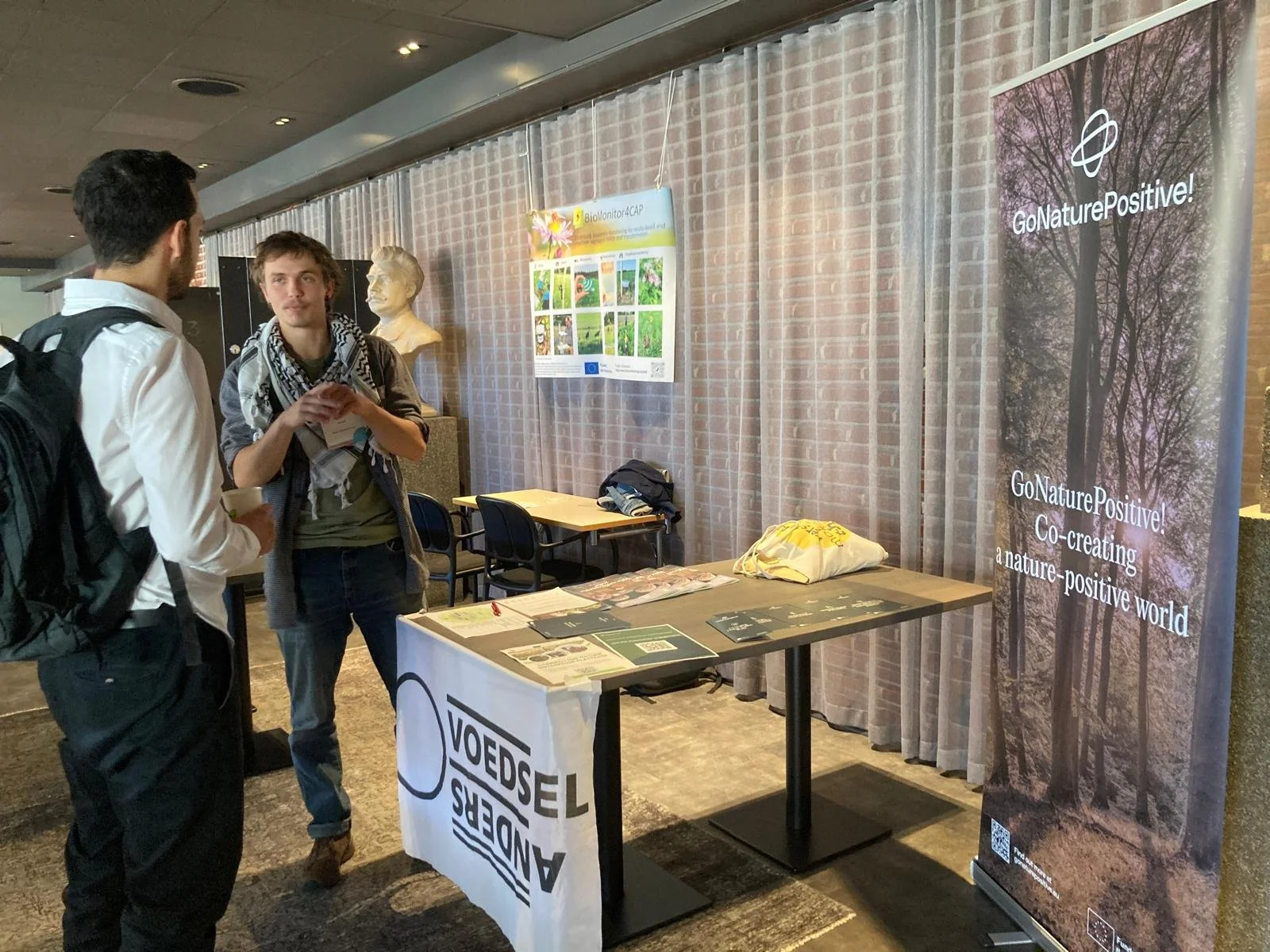
Discovering the Nature-Positive Economy: Opportunities and challenges for the agroecological transition
Discover how Voedsel Anders explores the Nature-Positive Economy's potential to reinforce the agroecological transition, introducing an economic system that contributes to net nature restoration through agriculture practices combining social and ecological aspects with food production. Douwe de Vestele examines why integrating agroecology into the NPE framework requires addressing food sovereignty, power imbalances in food systems, and recognising food as a fundamental right rather than a commodity, questioning whether all food-related enterprises should operate as not-for-profits. Learn how measuring progress toward a Nature-Positive Economy demands perspectives beyond human metrics, incorporating the viewpoint of all species whilst accounting for power relations and food autonomy, and why achieving true transformation requires active citizens who challenge hegemonic structures, hold policy accountable, and ensure governments serve the common good rather than capitalist market speculation.

GoNaturePositive! on Metrics & Finance at the IUCN World Conservation Congress 2025
Discover how GoNaturePositive! advances nature restoration through innovative metrics frameworks at the IUCN World Conservation Congress 2025, treating measurement as fundamental to unlocking biodiversity investment. Siobhan McQuaid reveals practical strategies for coordinating policy makers, financial institutions, citizens and businesses around nature-positive outcomes, leveraging whole-of-society approaches to capture actor influences beyond corporate disclosure, and how recognising disconnections between financial intermediaries and on-the-ground realities enables stakeholders to build verified investment pathways for prosperity while supporting nature-based solutions and private sector engagement across conservation communities.